
How to Evaluate AI Vendors for Security Compliance
AI is transforming business, but along with its promise comes a critical concern: security and compliance. How do you know if an AI vendor will keep your data safe and meet legal requirements? In this guide, we’ll explore what business leaders, from CTOs and small business owners to compliance teams, should look for when evaluating AI vendors for security compliance. We’ll start with a conversational overview, dive into key technical standards and regulations, and end with practical tips and a call to action. By the end, you’ll be equipped to ask the right questions, spot red flags, and confidently choose an AI partner (like askDato.AI) that prioritizes security and trust.

Why Security Compliance Matters in AI
Imagine adopting a cutting-edge AI tool, only to face a data breach or a hefty compliance fine. In today’s environment, data leaks and privacy violations can shatter customer trust and incur severe penalties. Regulations like the EU’s General Data Protection Regulation (GDPR) can levy fines in the tens of millions of euros for privacy violations - gdpr.eu, and consumers are increasingly wary of how their data is handled. A recent study found 64% of companies have experienced web-based attacks, underscoring that breaches are not a matter of if but when - yuma.ai. Security compliance isn’t just an IT concern, it’s a business imperative. Ensuring your AI vendor follows industry standards and laws means protecting your customers, your reputation, and your bottom line.
Key Security and Privacy Standards to Look For
When vetting AI vendors, familiarize yourself with the leading security and data protection frameworks. If a vendor can demonstrate adherence to these standards or certifications, it’s a strong sign of their commitment to security. Here are the big ones to know:
SOC 2 (Service Organization Control 2)
SOC 2 is a widely respected auditing standard for service providers, especially SaaS and cloud companies. It defines a set of security and data privacy criteria (like security, availability, processing integrity, confidentiality, and privacy) that organizations must meet to demonstrate trust and reliability - dataguard.com. In practice, a vendor with a SOC 2 Type II report has undergone an independent audit of their controls over time, giving you confidence that they consistently protect customer data. SOC 2 compliance helps vendors build trust, improve internal processes, and even gain a competitive edge - dataguard.com. When an AI vendor is SOC 2 compliant, you can review their audit report for detailed insights into their security practices, a valuable resource for your due diligence.
ISO 27001
ISO/IEC 27001 is often cited as the “gold standard” for corporate cybersecuritya-lign.com. It’s an international standard for information security management systems (ISMS) that provides a systematic approach to managing sensitive company information, ensuring its confidentiality, integrity, and availabilitya-lign.com. An AI vendor with ISO 27001 certification has implemented a comprehensive set of security controls and undergoes regular audits to maintain them. This certification demonstrates a high commitment to security - a-lign.com and is recognized globally. In fact, adoption of ISO 27001 is rapidly growing, 81% of organizations reported adopting ISO 27001 by 2025, up from 67% in 2024 - a-lign.com. Seeing this certification in a vendor’s profile is a reassuring sign that they take data protection seriously.
GDPR (General Data Protection Regulation)
If your AI solution will handle personal data (and most do), GDPR compliance is crucial. The GDPR, enacted by the European Union, is the toughest privacy and security law in the world - gdpr.eu. It imposes strict obligations on how organizations collect, process, and protect personal data of EU citizens, and it applies globally to any vendor handling such data - gdpr.eu. GDPR requires things like getting valid consent, limiting data collection to necessary purposes, and honoring individuals’ rights over their data (access, deletion, etc.). Non-compliance isn’t an option: fines can reach €20 million or 4% of global turnover (whichever is higher) for serious violations - gdpr.eu. When evaluating an AI vendor, check if they mention GDPR compliance, do they have a clear privacy policy and measures to uphold data subject rights? A GDPR-compliant vendor will typically offer a Data Processing Agreement (DPA) and be prepared to support you in fulfilling obligations like breach notifications or data deletion requests.
CCPA and CPRA (California Consumer Privacy Act & California Privacy Rights Act)
California’s privacy laws are another key consideration, especially if you have customers or data in the United States. The California Consumer Privacy Act (CCPA) grants California residents rights over their personal data and sets rules for businesses on data transparency and opt-outs, often drawing comparisons to GDPR - securiti.ai. The newer CPRA, effective January 2023, amends and expands the CCPA with additional requirements, consumer rights, and enforcement mechanisms - securiti.ai. In other words, CPRA strengthens the original law, creating a dedicated California Privacy Protection Agency for enforcement, adding rights like correction and limiting use of “sensitive personal information,” and raising the bar for how businesses must protect data. If an AI vendor claims CCPA/CPRA compliance, it means they should enable you to honor requests like “Do Not Sell My Info” and data deletion, and they must safeguard personal data to avoid heavy penalties. Always verify that vendors with U.S. customers are up-to-date with CCPA/CPRA, it shows they’re keeping pace with evolving privacy expectations in one of the country’s strictest jurisdictions.
NIST Cybersecurity Framework (CSF)
The NIST CSF isn’t a law or certification, but it’s a highly regarded risk-management framework developed by the U.S. National Institute of Standards and Technology. It provides a structured approach for organizations to identify, protect, detect, respond to, and recover from cyber threats - wiz.io. Many companies adopt NIST CSF as a best-practice blueprint to improve their cybersecurity posture. While following NIST CSF is voluntary for private companies, doing so is a sign of due diligence, regulators and partners see it as a commitment to robust risk management - wiz.io. If an AI vendor aligns with NIST CSF, it indicates they have a thoughtful, comprehensive security program (often mapping to the CSF’s core functions and tiers of maturity). Ask vendors if they use frameworks like NIST CSF or have a formal cybersecurity program in place, it can tell you how deeply ingrained security practices are in their operations.
Key Questions to Ask AI Vendors
Armed with the understanding of these frameworks and regulations, you can now engage AI vendors with pointed questions. Don’t be afraid to dig deep, a reputable vendor will welcome the conversation and provide clear answers. Here are some essential questions to ask, along with why they matter:
What security certifications or audits do you have?, Verify if the vendor has independent attestations like SOC 2 Type II or ISO 27001. These credentials demonstrate that an outside auditor has vetted their security controls, which can foster trust and transparency - dataguard.coma-lign.com. If they don’t have formal certifications, ask how they assess and improve their security (do they follow NIST CSF, conduct regular third-party audits, etc.?).
Are you compliant with data protection laws like GDPR and CCPA/CPRA?, Compliance with major privacy regulations shows a commitment to handling personal data responsibly - yuma.aiyuma.ai. Ask if they have a GDPR-ready privacy program (even if not based in the EU) and how they support rights such as data deletion or access requests. For CCPA/CPRA, can they handle “Do Not Sell” signals or provide an opt-out for data sharing? A confident answer here indicates the vendor won’t be a compliance weak link for you.
Where will our data be stored and processed?, Data residency is critical, especially for regulated industries or international operations. If a vendor can’t clearly answer “Where is my data physically stored?”, that’s a red flag - mitrix.io. You need to know if data will stay in-region (e.g., EU data stays in EU data centers for GDPR) or if it might be transferred abroad. Ideally, vendors should offer options or at least be transparent about their hosting locations and sub processors.
Do you use or share our data for any purposes beyond providing the service?, Some AI vendors might say, “we use your data to improve our models.” Sounds benign, but it could mean your proprietary data is being mingled into a broader model that other customers use - mitrix.io. That poses privacy and competitive risks. Ensure the vendor won’t use your data for training without explicit permission. Also ask if they share data with any third parties or partners, you want full visibility into who can access your information.
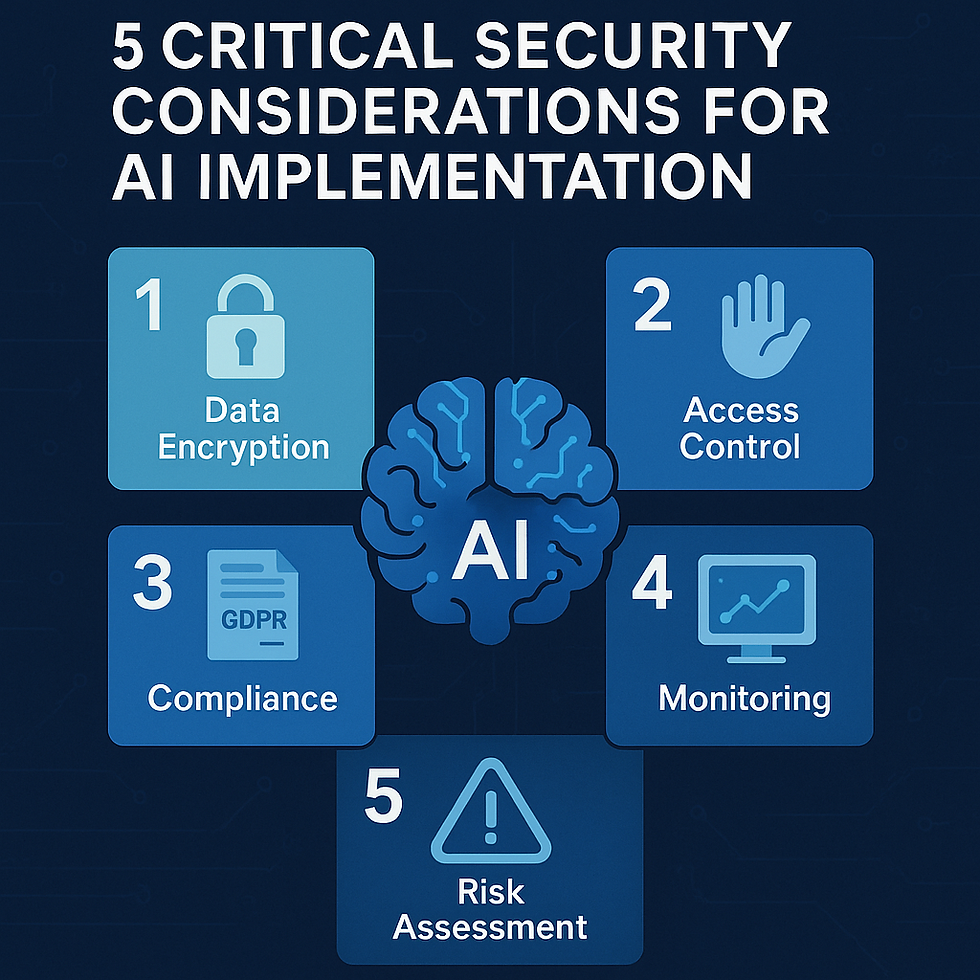
What encryption and access controls do you have in place?, Strong technical safeguards are non-negotiable. A vendor should encrypt data in transit and at rest (using robust standards like AES-256) and ideally employ a “zero-knowledge” approach where even they can’t read your data - mitrix.io. Inquire about access control: Do they enforce role-based access and multi-factor authentication for their staff? Is access to your data logged and auditable? A good vendor will gladly discuss measures like encryption, network security, and employee background checks. If you hear hesitancy or technobabble without specifics, that’s a warning sign.
Have you ever had a data breach or security incident? If so, how did you respond?, No one likes to admit to breaches, but trustworthy vendors are transparent about their security history. Knowing their past incidents (if any) and how they handled them is important. Did they follow an incident response plan, notify affected clients promptly, and fix root causes? Every company can have vulnerabilities, what matters is how proactively and honestly they deal with them. A vendor who claims “we’ve never had a single security issue” might be inexperienced (or not monitoring!). Given that the majority of companies face attacksyuma.ai, a better answer would outline their response preparedness.
What is your data retention and deletion policy?, Ask how long the vendor retains your data and how you can request deletion. Reputable AI vendors should only keep data as long as necessary and support your compliance obligations (for example, honoring GDPR’s right to erasure or CCPA’s deletion requests - yuma.ai). A clear data retention policy (e.g. “We automatically delete customer query logs after X days”) reduces unnecessary exposure. Verify that they have a process to scrub data from backups and archives upon request, you don’t want your sensitive data lingering indefinitely.
How do you handle third-party integrations or sub-processors?, Most AI solutions rely on cloud platforms or integrate with other services. Your vendor should vet any third-party service that touches your data. Ask if they maintain a list of sub-processors and what due diligence they perform (are those sub-processors compliant with SOC 2/ISO 27001, GDPR, etc.?). If the AI model itself comes from a third party, how do they ensure that provider won’t misuse your data? A strong vendor will have transparent answers about their supply chain and might even offer to show security attestations from critical partners. Lack of clarity here could indicate your data risk is multiplying outside of your view.
By posing these questions, you’ll not only get facts but also sense the vendor’s security mindset. The best vendors will provide crisp, confident answers and even volunteer documentation (like a copy of their SOC 2 report, a summary of compliance measures, or whitepapers on security architecture). If instead you get vague reassurances (“Trust us, we take security seriously”) or resistance to answering, that should set off alarms.
Red Flags to Watch Out For
While asking questions, keep an eye out for red flags, warning signs that an AI vendor might not meet your security or compliance needs. Here are some common red flags and why they matter:
Evasive or vague answers about data handling: If a vendor dodges questions or cannot clearly explain their security controls, be cautious. For example, not knowing exactly where your data is stored is a massive red flag - mitrix.io. You shouldn’t have to play guessing games with your data’s whereabouts or protection measures.
“We use your data to improve our models” (without opt-out): As mentioned, a vendor that plans to feed your data into their AI model by default could expose you to privacy and IP risks. If they don’t offer a clear opt-out from model training, or bury such details in fine print, consider that a red flag - mitrix.io. Your business data should not become part of someone else’s product without explicit permission.
No independent security assessments: A vendor that lacks any third-party certification or audit (be it SOC 2, ISO 27001, or even a security assessment from an external firm) might be skimping on security. While smaller startups might not yet be certified, they should at least be able to describe undergoing regular penetration tests or security reviews. If they have no evidence of external validation of their security, you’ll have to trust their word alone, a risky proposition.
Poor transparency about incidents and practices: Red flags include vendors that refuse to share a copy of their security policy or details of their incident response plan, or those that didn’t publicly disclose past breaches. Additionally, lack of an audit trail (no way to see who accesses data and when) is a bad sign - mitrix.io. You need a partner who’s open about their practices and provides you visibility into relevant activities (e.g., via logs or reports).
Weak or missing encryption and access controls: If you find out that a vendor does not encrypt data by default, or they cannot articulate their access control mechanisms, step back. Modern AI providers should be using encryption in transit and at rest and ideally have robust key management. The absence of “encryption-by-default” policies or zero-knowledge architecture suggests security might be an afterthought - mitrix.io. Also, watch for complacency on user access (every employee can see all data), that’s a governance red flag.
Unbounded third-party sharing: Be wary if the vendor’s contract or privacy policy allows them to share data with a laundry list of partners or if they rely heavily on external tools without clear safeguards. As the saying goes, you can outsource the work, but not the risk. If their supply chain is opaque or spread across jurisdictions with weak privacy laws, your data could be vulnerable - mitrix.io. A solid vendor will be upfront about using reputable infrastructure (like AWS, Azure, etc.) and will have measures to enforce their standards down the line of any subcontractors.
In short, trust your instincts. If something feels “off” in how an AI vendor handles security, dig deeper or consider alternatives. The cost of switching vendors is much lower than the cost of a breach or compliance failure down the road.
Other Critical Considerations: Data Residency, Third-Party Risk, and Transparency
Beyond certifications, laws, and Q&As, there are broader considerations to keep in mind when evaluating AI vendors. These often tie into the points above, but they’re worth calling out explicitly:
Data Residency: This refers to where your data is stored geographically. The reason it’s crucial is because data location determines which country’s laws apply to that data. If you have regulatory requirements (for example, health data that must stay in-country, or EU personal data needing EU storage for GDPR compliance), your AI vendor must support appropriate data residency. Ensure the vendor can tell you the exact region or data center for your data and that it aligns with your needs. Some vendors offer environment options (U.S., EU, etc.), which is ideal. If not, make sure you’re comfortable with the legal jurisdiction your data will reside in, it affects everything from government access to your own liability.
Third-Party Risk: Your vendor’s security is only as strong as the weakest link in its chain. Investigate whether the AI vendor uses any sub-processors or third-party services to deliver its solution. Common ones might be cloud hosting providers, analytics services, or third-party AI model providers. Ask how the vendor manages third-party risk: Do they conduct vendor security assessments of their partners? Do they contractually require security and privacy commitments from them? Also, consider concentration risk, if your AI vendor heavily relies on another single provider (say, a specific cloud or an AI API), any issue with that provider could impact you. A responsible AI vendor will have contingency plans and security requirements flowing down to any partner handling your data.
Transparency: At the heart of compliance and security is transparency. This means clarity in communication, documentation, and agreements. A transparent AI vendor will provide straightforward documentation about how their AI works, how data flows, and what safeguards exist. They will likely have resources like security whitepapers, privacy policy disclosures, and compliance FAQs. Transparency also extends to notifying you about changes (e.g., if they add a new sub-processor, or if a security incident occurs). As you evaluate vendors, note those who proactively share information versus those who only divulge details if you ask or sign an NDA. You want a partner, not a black box. In an ideal scenario, the vendor might even allow you to conduct a security review or provide a SOC 2 report for your review, a hallmark of transparency and trust.
Conclusion: Navigating Compliance with the Right Partner
Evaluating AI vendors for security compliance may seem daunting, but it boils down to asking the right questions and knowing what to look for. By checking for certifications like SOC 2 and ISO 27001, ensuring alignment with laws like GDPR and CCPA, and probing into a vendor’s practices on data protection, you can separate the wheat from the chaff and find an AI solution that won’t compromise your security or ethics. Remember, a truly enterprise-ready AI vendor will be eager to prove their trustworthiness, because they understand that security is as important as innovation in earning your business.
At askDato.AI, we specialize in helping companies navigate this complexity. We know the frameworks and pitfalls inside out, our team includes CISSP-certified experts with deep knowledge of data protection and privacy laws. Whether you need guidance in evaluating AI vendors or you’re looking to implement AI solutions that are secure and compliant from day one, we’re here to help. We work with businesses to integrate AI safely and strategically, drafting policies, conducting risk assessments, and ensuring alignment with standards like those we discussed. The goal is to let you harness AI’s transformative power without compromising on security or compliance.
Ready to move forward confidently with AI? Get in touch with Ask Dato for a personalized consultation. We’ll partner with you to weave security and compliance into every thread of your AI strategy, so you can innovate with peace of mind and turn AI into a sustainable asset, not a liability. Your journey to secure and compliant AI starts here!

Comments